Holly Trees Nursery
Newland Street
Witham
Essex
CM8 2AZ
 A PLACE TO BELONG.
Learning Without Walls
Our
gardens
The outdoors gives children a different kind of space to learn.
At Holly Trees, our gardens are an extension of our classrooms. They are places where children can explore freely, follow their curiosity and become deeply involved in their own ideas, but they are also thoughtfully used by our educators to extend learning beyond the nursery room.

Learning Without Walls
The outdoors gives children a different kind of space to learn.
At Holly Trees, our gardens are an extension of our classrooms. They are places where children can explore freely, follow their curiosity and become deeply involved in their own ideas, but they are also thoughtfully used by our educators to extend learning beyond the nursery room.
Learning Without Walls
The outdoors gives children a different kind of space to learn.
At Holly Trees, our gardens are an extension of our classrooms. They are places where children can explore freely, follow their curiosity and become deeply involved in their own ideas, but they are also thoughtfully used by our educators to extend learning beyond the nursery room.
What children are interested in indoors can travel outside, where more space, movement and the natural environment create new possibilities. Our educators plan meaningful experiences around children's interests and development, using the outdoors to introduce ideas, extend thinking and build upon what children already know.
With two separate gardens, we can make sure those experiences reflect children's different ages and stages. Our babies and younger children have their own dedicated garden, while our older children enjoy a much larger space where their learning, imagination and physical confidence can continue to grow.
What children are interested in indoors can travel outside, where more space, movement and the natural environment create new possibilities. Our educators plan meaningful experiences around children's interests and development, using the outdoors to introduce ideas, extend thinking and build upon what children already know.
With two separate gardens, we can make sure those experiences reflect children's different ages and stages. Our babies and younger children have their own dedicated garden, while our older children enjoy a much larger space where their learning, imagination and physical confidence can continue to grow.
What children are interested in indoors can travel outside, where more space, movement and the natural environment create new possibilities. Our educators plan meaningful experiences around children's interests and development, using the outdoors to introduce ideas, extend thinking and build upon what children already know.
With two separate gardens, we can make sure those experiences reflect children's different ages and stages. Our babies and younger children have their own dedicated garden, while our older children enjoy a much larger space where their learning, imagination and physical confidence can continue to grow.
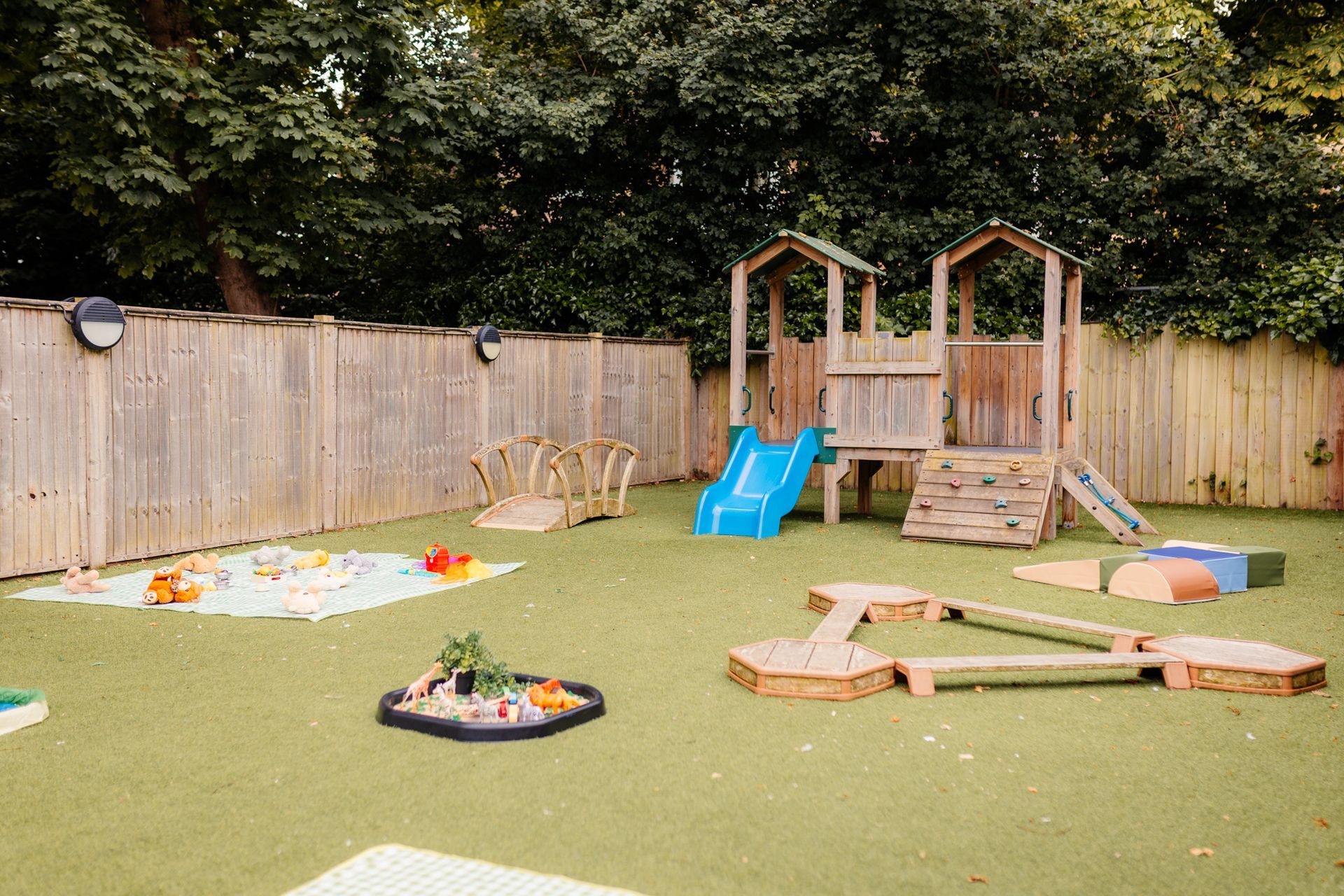
A nurturing space for first discoveries
Our
babies' garden
Our babies and younger children have a garden designed especially for them, providing a safe and familiar environment where they can begin discovering the outdoors at their own pace.
For our youngest children, learning begins through their senses, relationships and experiences. Feeling grass beneath their hands, listening to the sounds around them, watching leaves move in the trees or reaching for something that has captured their attention can all become meaningful moments of discovery.
A nurturing space for first discoveries
Our babies and younger children have a garden designed especially for them, providing a safe and familiar environment where they can begin discovering the outdoors at their own pace.
For our youngest children, learning begins through their senses, relationships and experiences. Feeling grass beneath their hands, listening to the sounds around them, watching leaves move in the trees or reaching for something that has captured their attention can all become meaningful moments of discovery.
A nurturing space for first discoveries
Our babies and younger children have a garden designed especially for them, providing a safe and familiar environment where they can begin discovering the outdoors at their own pace.
For our youngest children, learning begins through their senses, relationships and experiences. Feeling grass beneath their hands, listening to the sounds around them, watching leaves move in the trees or reaching for something that has captured their attention can all become meaningful moments of discovery.
As babies grow and become more mobile, the garden offers opportunities to crawl, walk, balance, climb and explore. Our educators are there to notice what fascinates each child and build upon it, introducing thoughtfully planned activities and experiences that support communication, physical development, curiosity and early thinking.
Learning that begins indoors can continue outside, while the changing natural environment provides experiences that simply cannot be recreated within four walls.
As babies grow and become more mobile, the garden offers opportunities to crawl, walk, balance, climb and explore. Our educators are there to notice what fascinates each child and build upon it, introducing thoughtfully planned activities and experiences that support communication, physical development, curiosity and early thinking.
Learning that begins indoors can continue outside, while the changing natural environment provides experiences that simply cannot be recreated within four walls.
As babies grow and become more mobile, the garden offers opportunities to crawl, walk, balance, climb and explore. Our educators are there to notice what fascinates each child and build upon it, introducing thoughtfully planned activities and experiences that support communication, physical development, curiosity and early thinking.
Learning that begins indoors can continue outside, while the changing natural environment provides experiences that simply cannot be recreated within four walls.
A bigger space for bigger thinking
Our
main garden
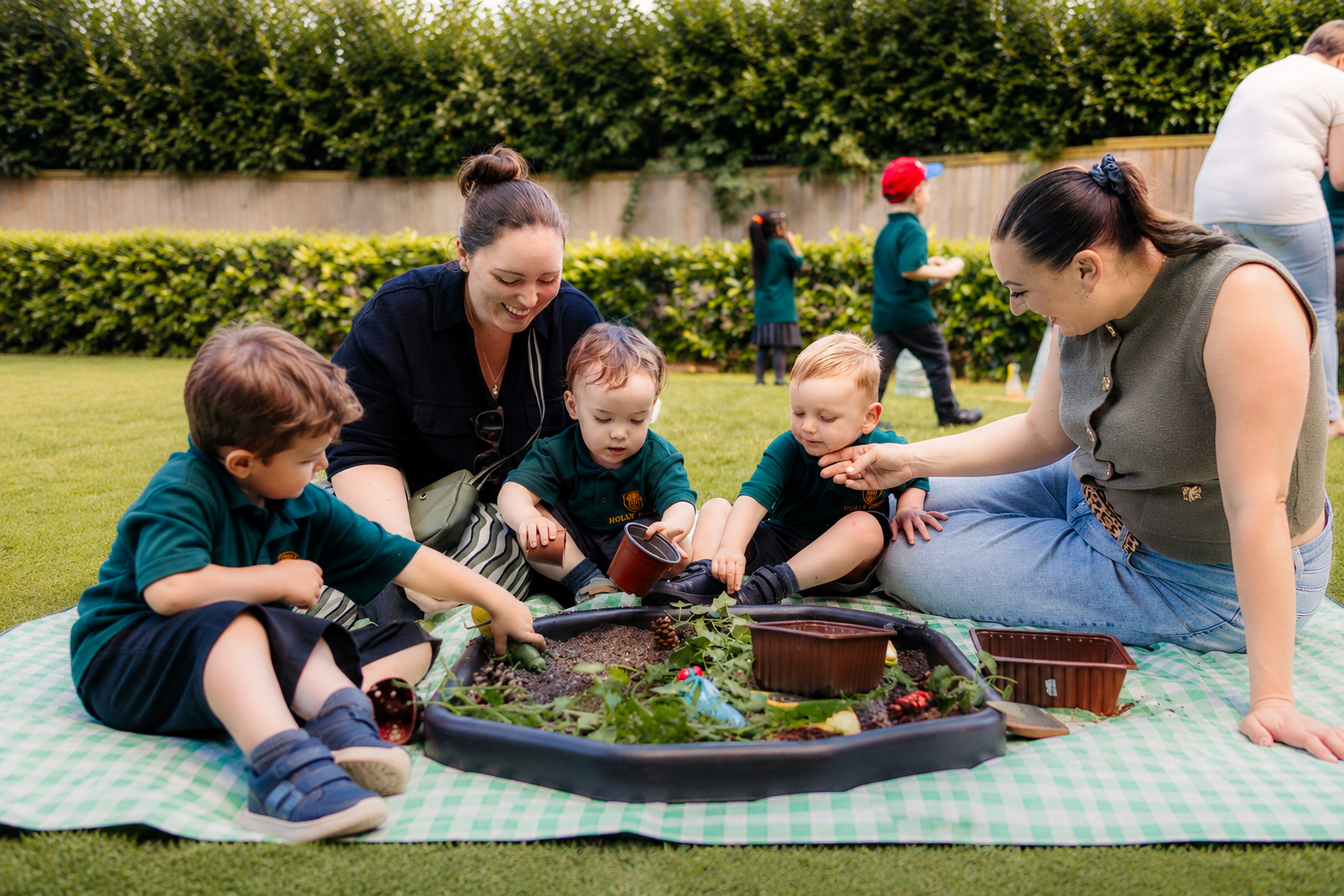
Our larger garden gives our older children the freedom to take their learning further.
There is space to run, climb and balance, but also to investigate, create, construct, imagine, experiment and work together. Children might count and measure as part of a game, investigate something they have discovered beneath a tree, create on a much larger scale or become completely absorbed in an idea with their friends.

A bigger space for bigger thinking
Our larger garden gives our older children the freedom to take their learning further.
There is space to run, climb and balance, but also to investigate, create, construct, imagine, experiment and work together. Children might count and measure as part of a game, investigate something they have discovered beneath a tree, create on a much larger scale or become completely absorbed in an idea with their friends.
A bigger space for bigger thinking
Our larger garden gives our older children the freedom to take their learning further.
There is space to run, climb and balance, but also to investigate, create, construct, imagine, experiment and work together. Children might count and measure as part of a game, investigate something they have discovered beneath a tree, create on a much larger scale or become completely absorbed in an idea with their friends.
Alongside children's own exploration, our educators intentionally plan learning outdoors. Activities are shaped by what children are interested in, what they have been discovering and what we know will help them progress. A fascination that begins with one child can become a group investigation, while an unexpected discovery in the garden can inspire conversations, questions and learning that continues long after everyone has gone back inside.
The freedom of a larger outdoor environment also allows children to experience learning differently. There is room for bigger movements, bigger ideas and experiences that are naturally more physical, collaborative and adventurous.
Alongside children's own exploration, our educators intentionally plan learning outdoors. Activities are shaped by what children are interested in, what they have been discovering and what we know will help them progress. A fascination that begins with one child can become a group investigation, while an unexpected discovery in the garden can inspire conversations, questions and learning that continues long after everyone has gone back inside.
The freedom of a larger outdoor environment also allows children to experience learning differently. There is room for bigger movements, bigger ideas and experiences that are naturally more physical, collaborative and adventurous.
Alongside children's own exploration, our educators intentionally plan learning outdoors. Activities are shaped by what children are interested in, what they have been discovering and what we know will help them progress. A fascination that begins with one child can become a group investigation, while an unexpected discovery in the garden can inspire conversations, questions and learning that continues long after everyone has gone back inside.
The freedom of a larger outdoor environment also allows children to experience learning differently. There is room for bigger movements, bigger ideas and experiences that are naturally more physical, collaborative and adventurous.
learning shouldn't stop at the classroom door
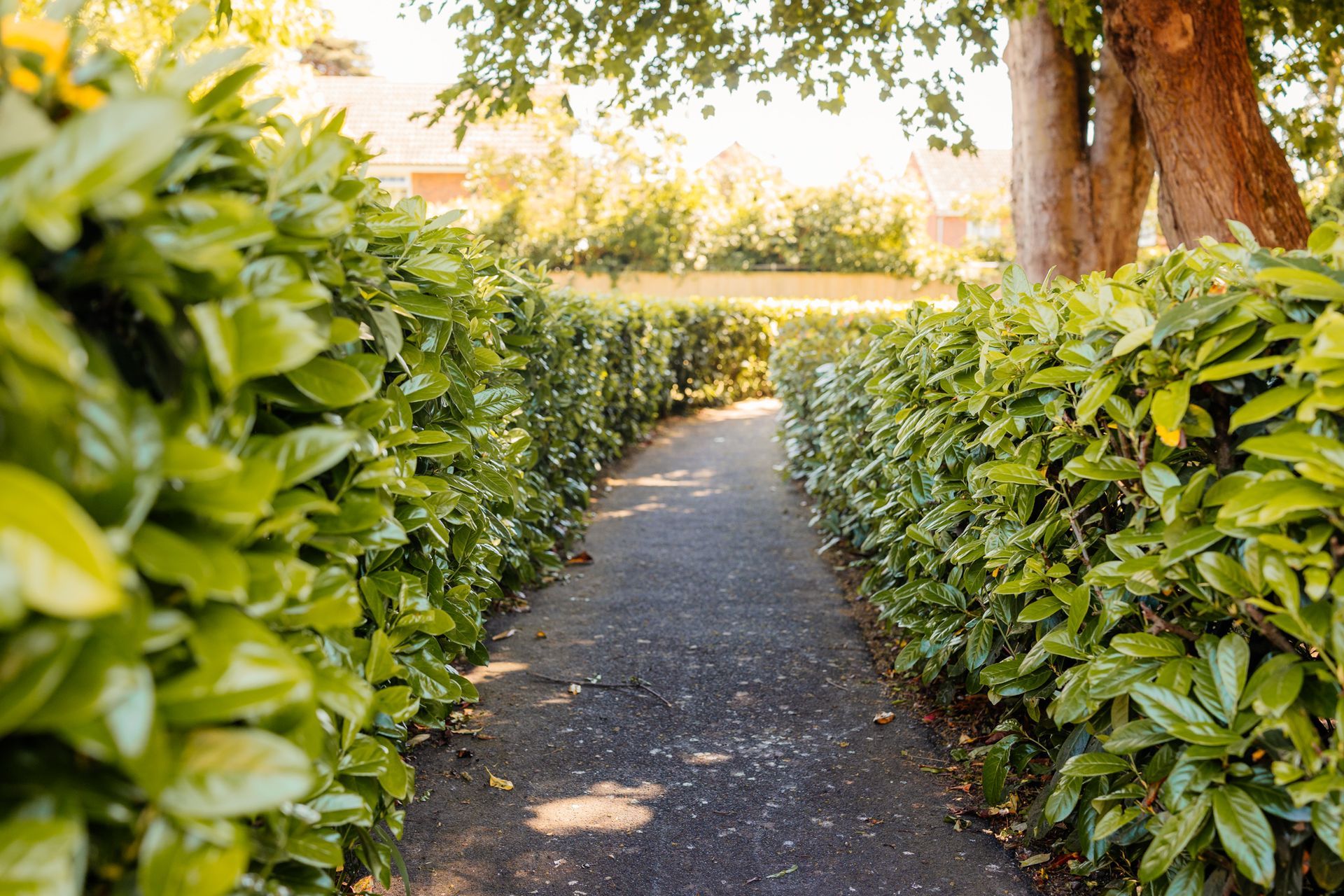
Our gardens are used throughout the year because the outdoors is constantly changing, and those changes create wonderful opportunities for learning.
Rain creates puddles to investigate. Autumn brings leaves, colour and change. A visiting bird can spark a conversation.
New growth can lead to questions about plants and nature. Sometimes an educator will have carefully planned an experience and sometimes the most meaningful learning begins with something a child notices for themselves.
That balance is important to us.
We give children time and freedom to make their own discoveries, alongside educators who know when to join them, when to introduce something new and when to take an idea a little further.
learning shouldn't stop at the classroom door
Our gardens are used throughout the year because the outdoors is constantly changing, and those changes create wonderful opportunities for learning.
Rain creates puddles to investigate. Autumn brings leaves, colour and change. A visiting bird can spark a conversation. New growth can lead to questions about plants and nature. Sometimes an educator will have carefully planned an experience and sometimes the most meaningful learning begins with something a child notices for themselves.
That balance is important to us.
We give children time and freedom to make their own discoveries, alongside educators who know when to join them, when to introduce something new and when to take an idea a little further.
learning shouldn't stop at the classroom door
Our gardens are used throughout the year because the outdoors is constantly changing, and those changes create wonderful opportunities for learning.
Rain creates puddles to investigate. Autumn brings leaves, colour and change. A visiting bird can spark a conversation. New growth can lead to questions about plants and nature. Sometimes an educator will have carefully planned an experience and sometimes the most meaningful learning begins with something a child notices for themselves.
That balance is important to us.
We give children time and freedom to make their own discoveries, alongside educators who know when to join them, when to introduce something new and when to take an idea a little further.

Baby Room for
0-2 years
Baby Room for
0-2 years
Toddler Room for
2-3 years
Pre-School Room for
3-5 years
Holly Trees Nursery
Newland Street
Witham
Essex
CM8 2AZ
Mon-Fri 07:30 - 18:00



Holly Trees Nursery
Newland Street
Witham
Essex
CM8 2AZ
Mon-Fri 7:30 am - 6:00 pm